

Case Summary
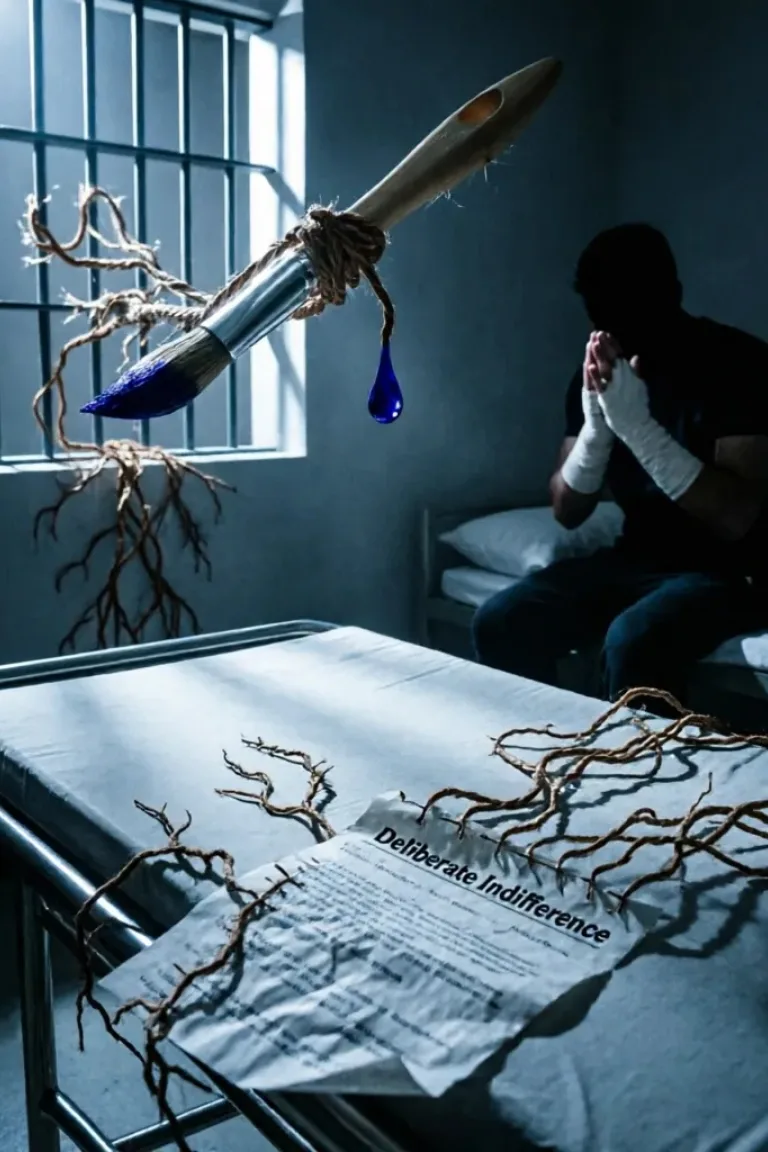
On December 11, 2025, the U.S. Court of Appeals for the Tenth Circuit decided Rodriguez v. Warden Broton. The case originated in 2024 when Juan Rodriguez, an inmate at a federal prison, severely injured his knee while working in the kitchen. Despite an outside surgeon’s recommendation for timely surgery, administrative delays postponed the procedure for over ten months, causing chronic pain, muscle atrophy, and depression. Rodriguez submitted multiple grievances detailing the neglect, which reached Warden Michael Broton’s office, but no corrective action was taken. Rodriguez then filed a civil rights lawsuit under 42 U.S.C. § 1983, alleging that Broton exhibited deliberate indifference to his serious medical needs in violation of the Eighth Amendment. Broton argued that he had delegated medical decisions to qualified health professionals and lacked personal involvement. The district court granted summary judgment for Broton on qualified immunity grounds. On appeal, the Tenth Circuit examined whether Broton’s awareness of the ongoing deprivation through the grievance system and his failure to expedite care defeated qualified immunity. The ACLU submitted an amicus brief emphasizing that supervisory officials cannot escape liability by blindly deferring to subordinates. The case became a focal point in the national conversation on prison healthcare accountability.
Status or Result:
The Tenth Circuit reversed the district court’s grant of summary judgment, holding that a reasonable jury could find that Broton had actual knowledge of a substantial risk of harm and responded unreasonably. The case was remanded for further proceedings.
Key Disputes
The central dispute is whether Warden Broton’s failure to act on known delays in medical care, despite receiving grievances, constitutes deliberate indifference to a serious medical need under the Eighth Amendment, and whether such conduct defeats qualified immunity.
Social Impact
The decision reinforced that prison supervisors may be held liable for deliberate indifference when personally aware of constitutional violations through grievance systems. It prompted nationwide scrutiny of administrative delays in prison healthcare and emboldened civil rights litigation against supervisory officials. Corrections departments reviewed grievance response protocols to mitigate liability.
Adapted Novels (1)
Feedback & Corrections

No comments yet. Be the first to comment!